
M2P Fintech
Fintech is evolving every day, and our newsletter is the perfect way to stay informed! Receive the latest fintech news, views, and insights directly in your inbox every fortnight—for FREE!
As we enter 2026, businesses are racing ahead with generative and agentic AI, reshaping every corner of business. Innovation, however, has a shadow: global AI-assisted cyberattacks have surged past 28 million incidents, a staggering 72% increase year over year.
Organizations increasingly rely on automation and algorithmic decision-making, and with it comes a new threat landscape, one where adversaries harness AI’s speed, scale, and intelligence to craft attacks that are as context aware as they are relentless.
Examples include:
These emerging risks are driving a new wave of cybersecurity strategies designed specifically to protect AI systems at scale.
With AI becoming the backbone of enterprise decision-making, cybersecurity can no longer be reactive. Protecting model integrity, ensuring verifiable data lineage, and embedding advanced security controls from the start will define resilient organizations.

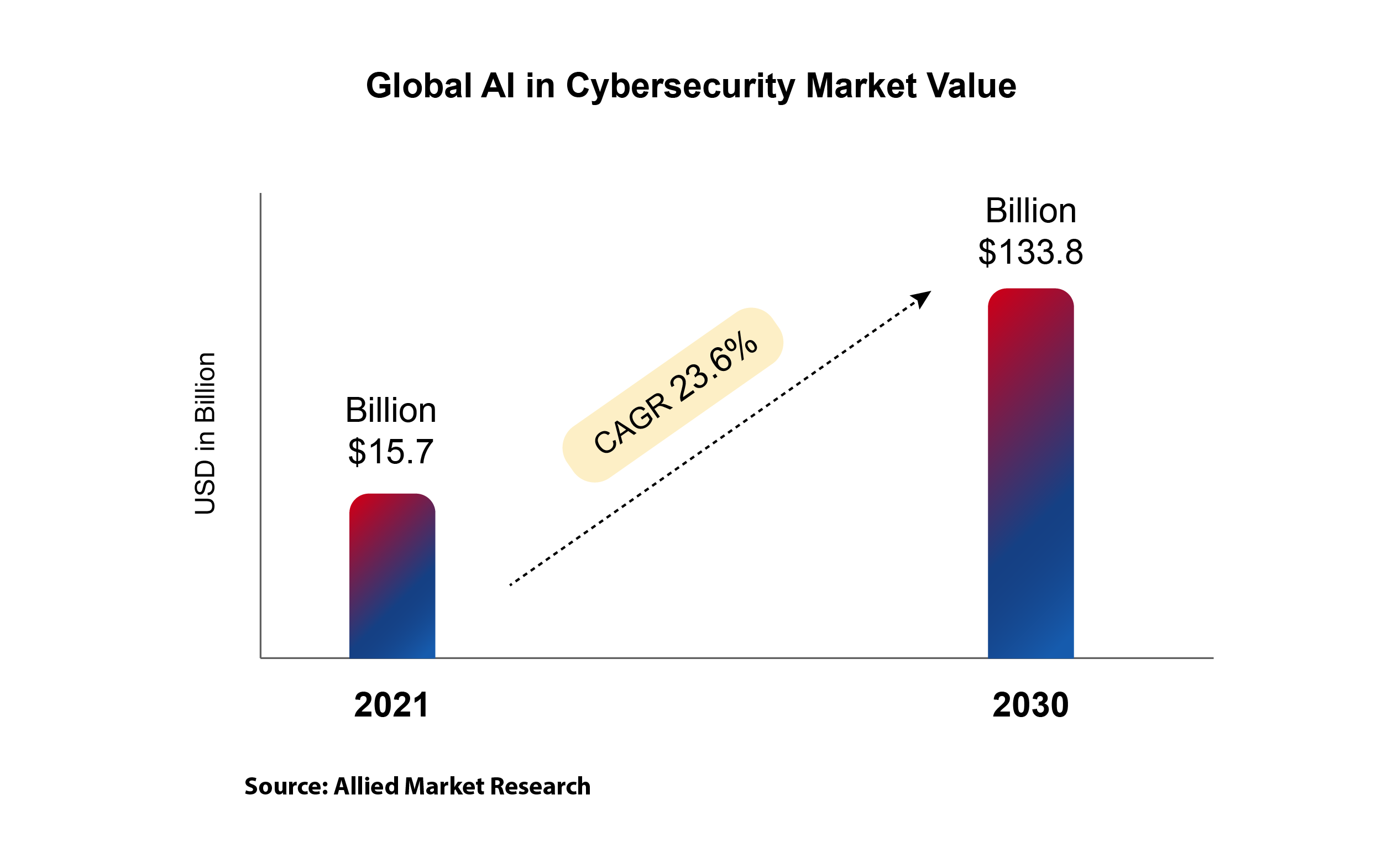
The global AI in cybersecurity market value is poised for a significant growth by 2030.
Fintech is evolving every day, and our newsletter is the perfect way to stay informed! Receive the latest fintech news, views, and insights directly in your inbox every fortnight—for FREE!
Lending
Value Added Services
Regulatory Compliance
Company Policies


© 2025 M2P Fintech
Report vulnerabilities of reportbug@m2pfintech.com
